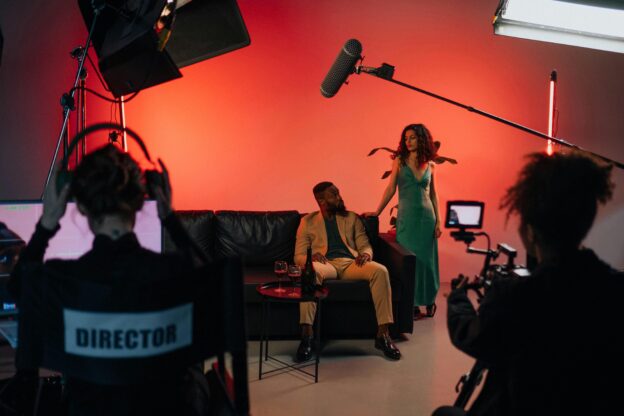
Maybe not a dream job, but working as an extra is a great way into the industry. It’s paid, it’s experience, and it puts you on actual sets with actual professionals. The trick isn’t just being there—it’s being the kind of extra the casting directors want to bring in for another call. You’re not looking to steal the scene, but you want to make sure they remember your name when the next gig comes around.
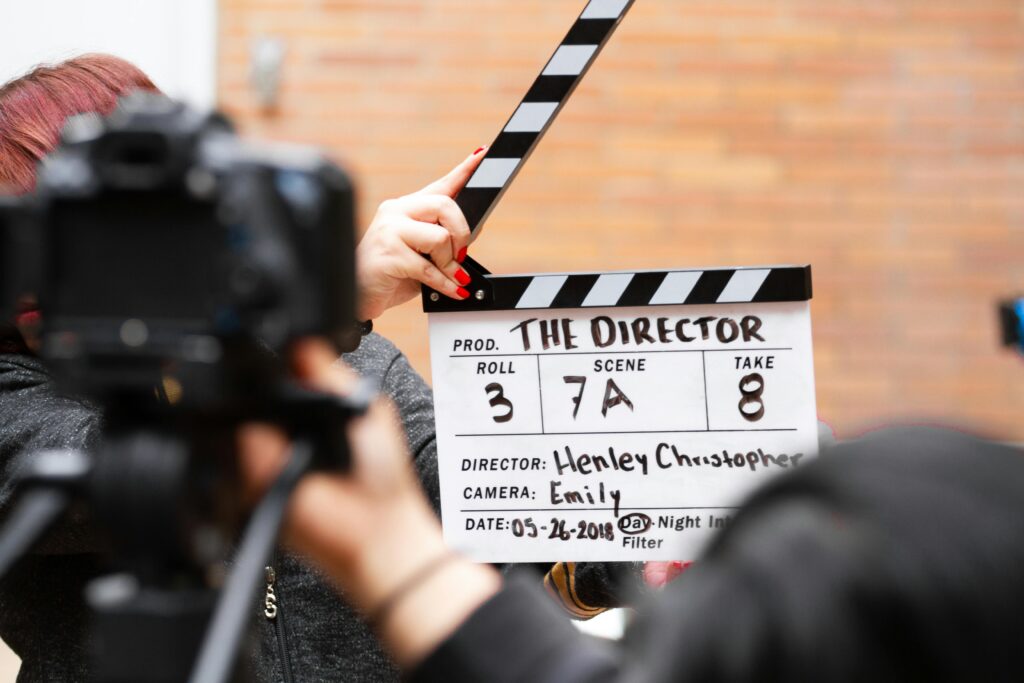
First Impressions Matter
Your face is your resume. Casting directors don’t want a glossy, over-filtered headshot. They need the real you. A bright, clear photo in natural light is crucial. No wild angles, no extensive editing—just a straightforward, polished shot that indicates how you really look.
It also helps to dress for the kinds of roles you’d like. If you’re going for office worker jobs, use a professional-looking photo. If they’re looking for a rugged, outdoorsy type, do not submit a photo of you in a tuxedo. Stay updated, too. If you’ve changed your hair or grown a beard, update your casting profile accordingly.
How to Blend In While Standing Out
Extras are onscreen players but not the stars, and the best extras know how to make a mark without calling attention to themselves. It’s a weird balance. You want to fit the scene and yet present enough professionalism that casting directors notice. The key? Adaptability.
Different sets have their own particular needs. Some scenes demand understated responses, such as nodding in a conversation. Others require you to pantomime dialogue while the primary actors do their thing. Listen to the energy of the moment. If you’re at a funeral, don’t smile like you’re at a birthday party. If it’s a high-energy club scene, don’t be a statue.
Directors appreciate extras who move naturally, pick up cues quickly, and don’t overact. It’s not about stealing attention—it’s about making the scene believable.

Be the Add-On They Never Forget (For the Right Reasons)
Punctuality is not up for debate. When your call time is 5 AM, it does not mean leave your house at 5 AM. It means be on set and be ready to go. Early arrival is always the right call. You never know if parking is going to be a mess or if check-in will take longer than anticipated.
When you get to the set, professionalism is key. That means being courteous, complying with rules, and not creating delays. It also means knowing the cardinal rule: Don’t speak to the star performers unless they speak to you first. They’re working. You’re working. Keep it professional.
Phones are another big one. No selfies, no behind-the-scenes footage, no sneaky set TikToks. Production teams are serious about security, and you’ll be blacklisted if you break the rules.
The Reality of Set Life
The glamour of being on a movie set wears off quickly if you find yourself waiting for hours in a holding area. Some days, you’ll be called to set every five minutes. Other times, you’ll spend hours doing nothing. That’s just how it goes. Bring something to help pass the time—books, podcasts, whatever you enjoy to stay entertained during the downtime.
Food can be hit or miss. Some productions have an amazing craft services table with everything you could want. Others? A sad tray of bagels and disappointment-flavored coffee. Prepare for all possible outcomes (and pack snacks).
Above all, expect repetition. If a director likes a take, they’ll want exactly what you just did again. If you took a sip of coffee in the scene, then you’ll be sipping that same coffee 40 times. If you walked in front of the camera at a given speed, they’ll want that same speed every time. Continuity matters.

The Key to Receiving More Work
Networking is not just for lead actors. The more people you meet on set, the more people you know who can inform you of new gigs. Other extras can be excellent sources of intel on which casting agencies are booking and what productions are looking for last-minute stand-ins.
That said, don’t be that person. We’ve all seen the extra who never shuts up about his craft, trying to earn an upgrade to being a background actor, but nobody wants to work with that guy. Be friendly, be professional, and let your dependability speak for itself. Casting directors don’t forget people who are easy to work with. If you keep appointments, follow the rules, and don’t give them a headache, they’ll call you back.
It’s a Long Game to Do Background Work
Many of the biggest stars didn’t start out in leading parts. Some of them were extras, just like you. The goal isn’t to remain an extra forever (unless you enjoy it, which some do). It’s to gain experience, meet people, and learn how sets work.
And the more you work, the more you’re seen. In this industry, visibility—without being a problem—is the best way to get ahead.