Author Archives: Mary J

The Hidden Impact of Film Productions on the Environment

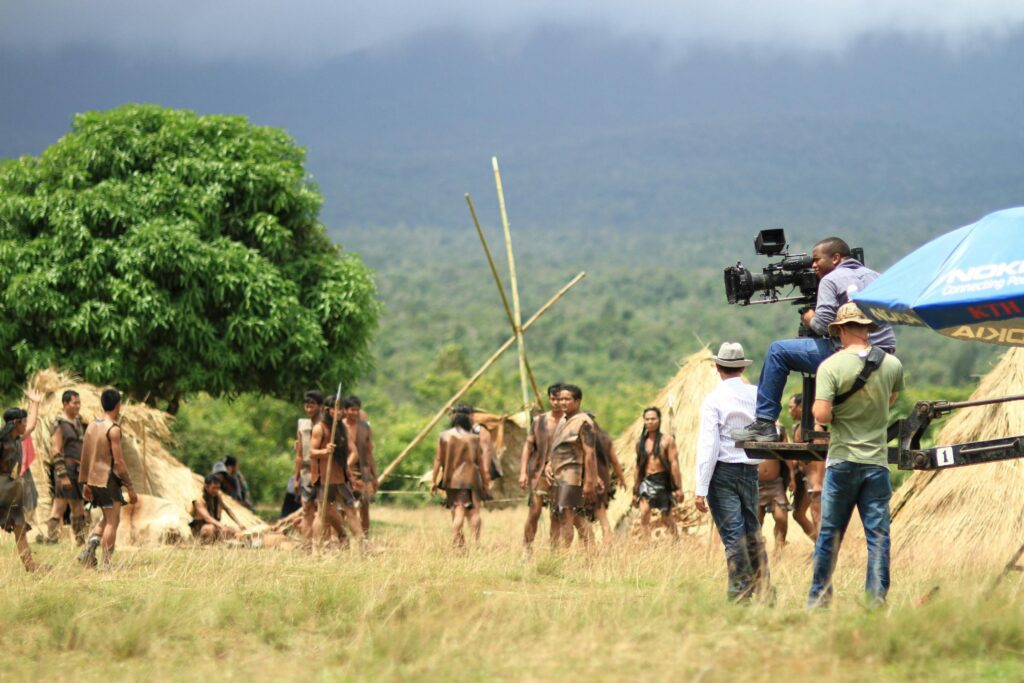
You’re standing on set, dressed in medieval peasant rags, waiting for your moment as “Villager #47.” The scene is set in a lush, ancient forest. It looks so real.

Because it was real. Until last week.

Yep, movie magic sometimes involves a little… landscaping. Trees get trimmed, shifted, or, in some cases, straight-up removed. Turns out, epic wide shots and dramatic lighting don’t always agree with Mother Nature’s design choices.

But before you grab a pitchfork (prop department has plenty), know this—Hollywood is getting smarter. Studios are working with tree removal services that don’t just go full Paul Bunyan on the scenery. Trees are being relocated, repurposed, and even replaced.

Let’s talk about how productions handle trees, how the industry is reforesting what it removes, and how you, the humble background actor, can do more than just stand around looking concerned in a fake village.
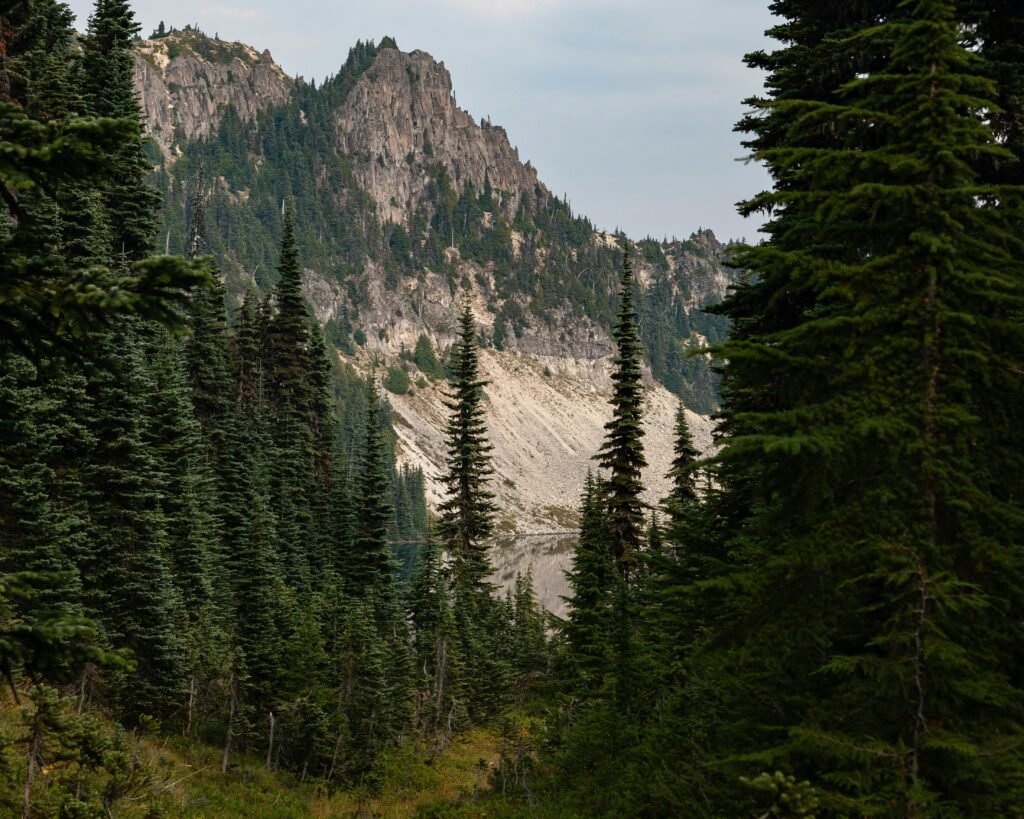
Why Are Movies Beefing with Trees?

A well-placed oak is cinematic gold. A badly placed oak? That’s a nightmare for directors who need the exact right angle for the hero’s brooding stare.

Lighting can’t get through a dense canopy? Problem. Camera can’t see past a thicket of overgrown branches? Bigger problem. Stunt sequence involves a high-speed chase, but a massive tree is smack in the middle of the shot? Huge problem.

And then there’s safety. The last thing anyone needs is a rogue tree collapsing onto a very expensive camera rig.

It’s not personal. Trees just don’t always take direction well.

The Hollywood Tree Shuffle

Back in the day, if a tree was in the way, the solution was simple: bye-bye tree. Today? Not so fast. Productions now rely on professional tree removal service to handle things with a little more finesse.

These services don’t just chop and haul. They strategically assess each tree before making a move, ensuring that removal is only a last resort. Some trees are simply trimmed to clear sightlines for cameras and lighting without actually cutting them down. Others are safely uprooted and relocated, often to conservation sites, private properties, or reforestation areas where they can continue thriving. Think of it as a moving service—but for entire trees.
For trees that can’t be relocated, tree removal services focus on eco-friendly disposal. Instead of tossing everything into a landfill, the wood is often repurposed. A tree that was once an obstacle on set might become lumber for building set structures, rustic furniture for an on-screen tavern, or decorative props. Some studios even partner with local organizations to donate excess wood for community projects, from park benches to public art installations.

Another key role of tree removal services? Ensuring compliance with environmental regulations. Hollywood productions don’t just cut down trees at will (at least, not legally). Many filming locations require strict permits and environmental assessments before a single branch is touched. Tree removal experts navigate these laws, work with conservation groups, and ensure that studios aren’t damaging protected areas.

Reforesting What’s Lost

Some productions don’t just borrow nature for the perfect shot—they pay it back with interest. For every tree that gets the boot to make way for a sweeping camera angle, entire forests are replanted elsewhere. Crews filming in remote wilderness don’t just pack up and leave; they fund massive reforestation projects to make up for the trees they displaced. Others bake sustainability into the production process, ensuring that when the final scene wraps, the only thing left behind is a well-trodden path. The goal isn’t just to capture beauty—it’s to make sure there’s still beauty left to capture.

Extras: The Unsung Eco-Warriors of Film

Okay, so you’re not in charge of production. You’re just here to walk across the background while looking vaguely distressed. But guess what? You can still make a difference.

Use a reusable water bottle. Nobody needs more plastic trash on set. Don’t trample on plants while waiting for your scene. Some of them barely survived the location scout’s decisions. Support productions that prioritize sustainability. If a studio is known for wrecking environments, maybe don’t audition for their next Explosions in the Amazon blockbuster.

If a director or crew member talks about sustainability efforts, listen. Ask questions. Learn something. The more people care, the more productions have to care.

Hollywood’s Future: Less Chainsaw, More Conservation

Films will always need landscapes. But they don’t need to wreck them in the process. The industry is getting smarter, moving trees instead of destroying them, replacing what they take, and making sure the next generation of moviegoers still has real forests to admire.

And you? Keep an eye out. Next time you’re on set, take a second to appreciate that backdrop. If it’s stunning, someone probably worked hard to keep it that way. If it’s fake, well… at least no trees were harmed this time.
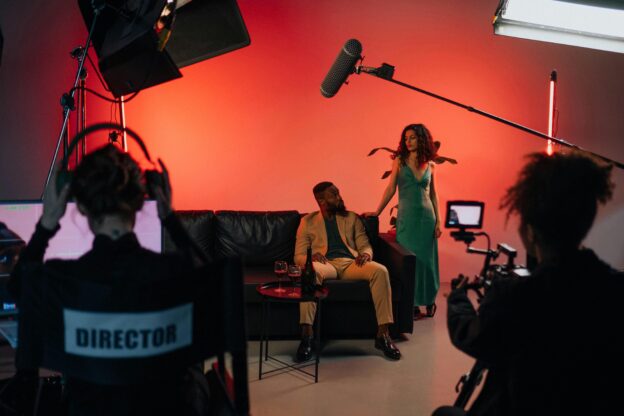
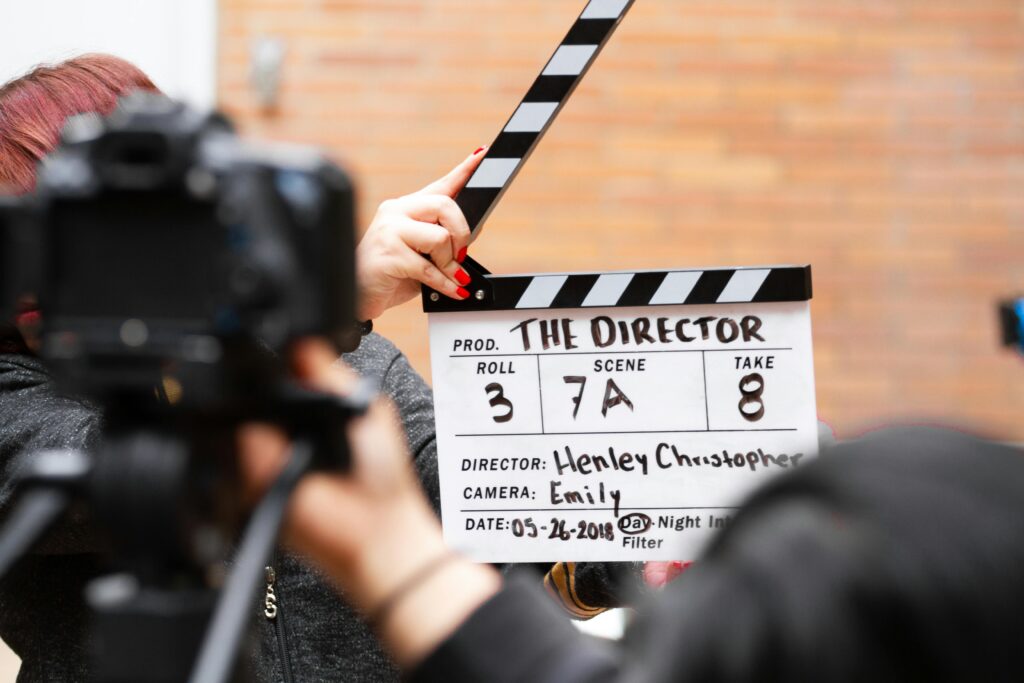
Tips for Aspiring Extras: How to Stand Out in the Crowd

Maybe not a dream job, but working as an extra is a great way into the industry. It’s paid, it’s experience, and it puts you on actual sets with actual professionals. The trick isn’t just being there—it’s being the kind of extra the casting directors want to bring in for another call. You’re not looking to steal the scene, but you want to make sure they remember your name when the next gig comes around.

First Impressions Matter

Your face is your resume. Casting directors don’t want a glossy, over-filtered headshot. They need the real you. A bright, clear photo in natural light is crucial. No wild angles, no extensive editing—just a straightforward, polished shot that indicates how you really look.

It also helps to dress for the kinds of roles you’d like. If you’re going for office worker jobs, use a professional-looking photo. If they’re looking for a rugged, outdoorsy type, do not submit a photo of you in a tuxedo. Stay updated, too. If you’ve changed your hair or grown a beard, update your casting profile accordingly.

How to Blend In While Standing Out

Extras are onscreen players but not the stars, and the best extras know how to make a mark without calling attention to themselves. It’s a weird balance. You want to fit the scene and yet present enough professionalism that casting directors notice. The key? Adaptability.

Different sets have their own particular needs. Some scenes demand understated responses, such as nodding in a conversation. Others require you to pantomime dialogue while the primary actors do their thing. Listen to the energy of the moment. If you’re at a funeral, don’t smile like you’re at a birthday party. If it’s a high-energy club scene, don’t be a statue.

Directors appreciate extras who move naturally, pick up cues quickly, and don’t overact. It’s not about stealing attention—it’s about making the scene believable.

Be the Add-On They Never Forget (For the Right Reasons)

Punctuality is not up for debate. When your call time is 5 AM, it does not mean leave your house at 5 AM. It means be on set and be ready to go. Early arrival is always the right call. You never know if parking is going to be a mess or if check-in will take longer than anticipated.

When you get to the set, professionalism is key. That means being courteous, complying with rules, and not creating delays. It also means knowing the cardinal rule: Don’t speak to the star performers unless they speak to you first. They’re working. You’re working. Keep it professional.

Phones are another big one. No selfies, no behind-the-scenes footage, no sneaky set TikToks. Production teams are serious about security, and you’ll be blacklisted if you break the rules.

The Reality of Set Life

The glamour of being on a movie set wears off quickly if you find yourself waiting for hours in a holding area. Some days, you’ll be called to set every five minutes. Other times, you’ll spend hours doing nothing. That’s just how it goes. Bring something to help pass the time—books, podcasts, whatever you enjoy to stay entertained during the downtime.

Food can be hit or miss. Some productions have an amazing craft services table with everything you could want. Others? A sad tray of bagels and disappointment-flavored coffee. Prepare for all possible outcomes (and pack snacks).

Above all, expect repetition. If a director likes a take, they’ll want exactly what you just did again. If you took a sip of coffee in the scene, then you’ll be sipping that same coffee 40 times. If you walked in front of the camera at a given speed, they’ll want that same speed every time. Continuity matters.

The Key to Receiving More Work

Networking is not just for lead actors. The more people you meet on set, the more people you know who can inform you of new gigs. Other extras can be excellent sources of intel on which casting agencies are booking and what productions are looking for last-minute stand-ins.

That said, don’t be that person. We’ve all seen the extra who never shuts up about his craft, trying to earn an upgrade to being a background actor, but nobody wants to work with that guy. Be friendly, be professional, and let your dependability speak for itself. Casting directors don’t forget people who are easy to work with. If you keep appointments, follow the rules, and don’t give them a headache, they’ll call you back.

It’s a Long Game to Do Background Work

Many of the biggest stars didn’t start out in leading parts. Some of them were extras, just like you. The goal isn’t to remain an extra forever (unless you enjoy it, which some do). It’s to gain experience, meet people, and learn how sets work.

And the more you work, the more you’re seen. In this industry, visibility—without being a problem—is the best way to get ahead.

Being an Extra: The Real Deal Behind the Scenes

Ever a wondered what it’s like to be an extra on a film set? It’s not all glitz and movie star glam. Nope. It’s more waiting in a crowded hall, munching on stale snacks and pretending to look busy. But it’s not as awful as it sounds — sometimes it’s even sort of fun.

You’ll Be Famous…Sort Of

So you want to be an extra? Here’s the first thing you should know: You are not getting a leading role anytime soon. Never mind the Oscar-winning performances. You’re there to give the scene a semblance of reality, to populate the background. Imagine: a patron at a coffee shop, somebody walking on a street, or sitting on a park bench. It’s not sexy, but it’s crucial. You’ll get a few seconds on screen.” And yes, it’s likely going to be for a fraction of a second, but still, your face will be out there.

Audition? More Like a Quick Snap

There’s no reason to get that monologue perfect. Being an extra isn’t really about the acting. It’s about your look. They are looking for someone who matches the “vibe” of the scene. That means you’ll need a decent photo of yourself but no fancy headshots required. Maybe you’re the right vibe: hipster, student, businessman, jogger—you catch my drift. The best part? You won’t be reading lines. Your “performance” is merely living your best background life. A single photo and wham, you’re in.

Welcome to the Set — Early Mornings, Baby

Hold onto your horses and set your clocks because you are in for some early mornings. You give proper life advice and like, the kind that makes you rethink your very existence. You’ll likely be on the set before the sun comes up. That’s 5:30 AM, maybe earlier. Coffee? Definitely. Get ready to spend hours sitting around. And you also won’t be on set most of that time. You’ll spend much of it in a holding room with a bunch of other extras, all of you trying to avoid looking too tired or too excited. Pro tip: bring snacks. And maybe a pillow. You’ll thank me later.

The Job? Just Walk. Or Sit. Or Stand.

When it’s your turn, it’s go-time. But let’s be honest — your job is so chill. Walk across a street. Sit at a table. Act like you’re super interested in your phone. You know, normal people stuff you do all day. It is surprisingly low-pressure. The secret? Don’t overact. Just blend in, be natural. You’re there to make all of that look real. You’re the background actors in this universe.

All of the Behind-the-Scenes Magic (a.k.a. the Crew)

Extras don’t just appear and get magically placed in scenes. There’s a whole crew behind the scenes to make it all happen. Costume designers, makeup artists, background coordinators — they’re the real M.V.P.s. And they’ll guarantee your look is right on point. Want to be a 1970s hipster? They’ve got you. Want to appear as though you’ve just come from a yoga class? They can do that too. You are going to be wearing exactly what makes sense in the scene. It’s kind of like a dress-up game for adults.

The “Star” Moment: Spotting Yourself on Screen

Okay, let’s be real. And the chances of your getting a close-up are zero, zip, nada. But, when you’re watching the finished product, and you notice yourself passing through a hallway? Or sitting at a table in the background? You’re gonna have that warm fuzzy feeling. Now you are officially part of the movie. It’s sort of an unofficial badge of honor. And sure, it might only be for a second, but come on — you were there.

So, Should You Do It?

Why be an extra? Well, it’s not the money (spoiler alert: it’s not a big payday). It’s about the experience. It’s about getting a glimpse at the making of movies and shows, finding out all the detailed, crazy stuff about how things get made.” You’ll see exactly how much happens behind the scenes. And even if you’re not a lead actor, you’re still in a big deal. And there’s a certain thrill to saying, “Yeah, I’ve been on a film set.

At its heart, being an extra feels more like an exercise in patience, curiosity and possibly a peek at your next career move. Or, like, just enjoying the ride. Because sometimes just being part of the chaos is all you need.