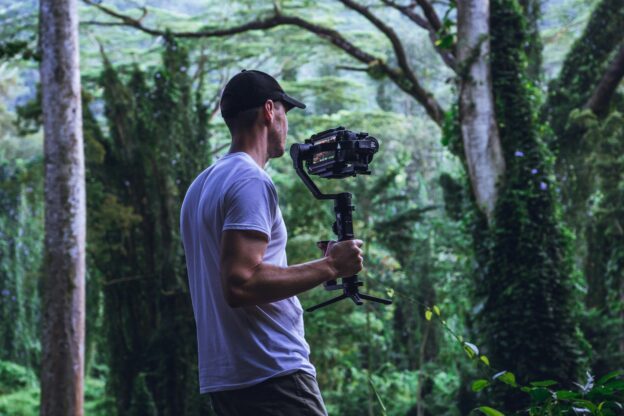
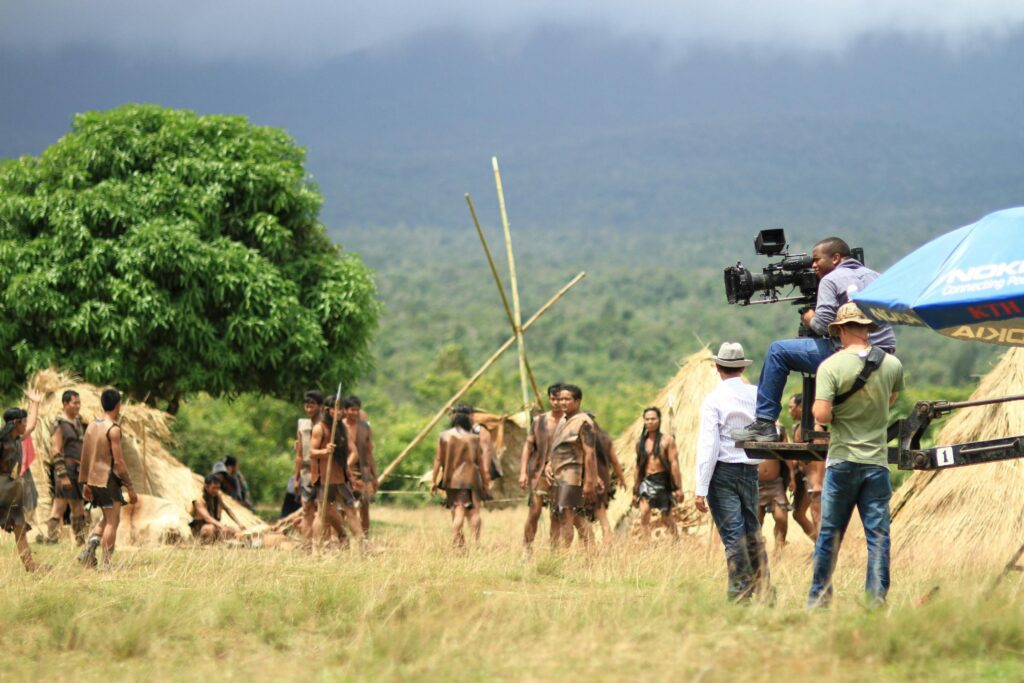
You’re standing on set, dressed in medieval peasant rags, waiting for your moment as “Villager #47.” The scene is set in a lush, ancient forest. It looks so real.
Because it was real. Until last week.
Yep, movie magic sometimes involves a little… landscaping. Trees get trimmed, shifted, or, in some cases, straight-up removed. Turns out, epic wide shots and dramatic lighting don’t always agree with Mother Nature’s design choices.
But before you grab a pitchfork (prop department has plenty), know this—Hollywood is getting smarter. Studios are working with tree removal services that don’t just go full Paul Bunyan on the scenery. Trees are being relocated, repurposed, and even replaced.
Let’s talk about how productions handle trees, how the industry is reforesting what it removes, and how you, the humble background actor, can do more than just stand around looking concerned in a fake village.
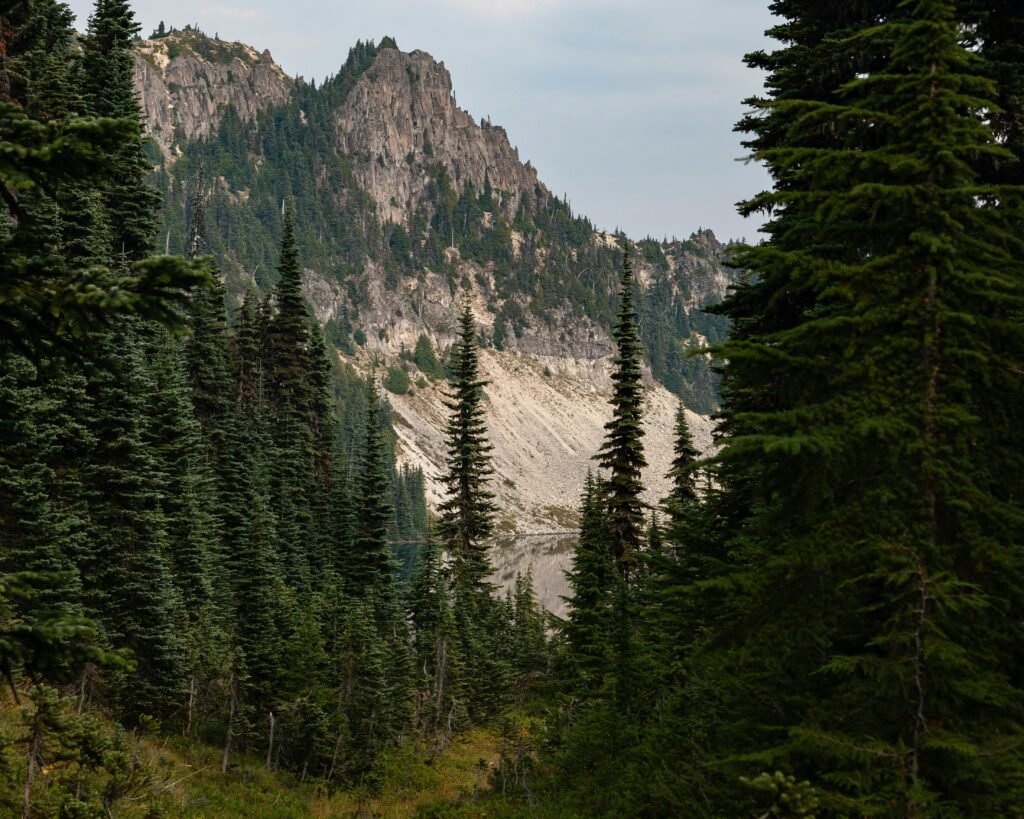
Why Are Movies Beefing with Trees?
A well-placed oak is cinematic gold. A badly placed oak? That’s a nightmare for directors who need the exact right angle for the hero’s brooding stare.
Lighting can’t get through a dense canopy? Problem. Camera can’t see past a thicket of overgrown branches? Bigger problem. Stunt sequence involves a high-speed chase, but a massive tree is smack in the middle of the shot? Huge problem.
And then there’s safety. The last thing anyone needs is a rogue tree collapsing onto a very expensive camera rig.
It’s not personal. Trees just don’t always take direction well.
The Hollywood Tree Shuffle
Back in the day, if a tree was in the way, the solution was simple: bye-bye tree. Today? Not so fast. Productions now rely on professional tree removal service to handle things with a little more finesse.
These services don’t just chop and haul. They strategically assess each tree before making a move, ensuring that removal is only a last resort. Some trees are simply trimmed to clear sightlines for cameras and lighting without actually cutting them down. Others are safely uprooted and relocated, often to conservation sites, private properties, or reforestation areas where they can continue thriving. Think of it as a moving service—but for entire trees.
For trees that can’t be relocated, tree removal services focus on eco-friendly disposal. Instead of tossing everything into a landfill, the wood is often repurposed. A tree that was once an obstacle on set might become lumber for building set structures, rustic furniture for an on-screen tavern, or decorative props. Some studios even partner with local organizations to donate excess wood for community projects, from park benches to public art installations.
Another key role of tree removal services? Ensuring compliance with environmental regulations. Hollywood productions don’t just cut down trees at will (at least, not legally). Many filming locations require strict permits and environmental assessments before a single branch is touched. Tree removal experts navigate these laws, work with conservation groups, and ensure that studios aren’t damaging protected areas.
Reforesting What’s Lost
Some productions don’t just borrow nature for the perfect shot—they pay it back with interest. For every tree that gets the boot to make way for a sweeping camera angle, entire forests are replanted elsewhere. Crews filming in remote wilderness don’t just pack up and leave; they fund massive reforestation projects to make up for the trees they displaced. Others bake sustainability into the production process, ensuring that when the final scene wraps, the only thing left behind is a well-trodden path. The goal isn’t just to capture beauty—it’s to make sure there’s still beauty left to capture.
Extras: The Unsung Eco-Warriors of Film
Okay, so you’re not in charge of production. You’re just here to walk across the background while looking vaguely distressed. But guess what? You can still make a difference.

Use a reusable water bottle. Nobody needs more plastic trash on set. Don’t trample on plants while waiting for your scene. Some of them barely survived the location scout’s decisions. Support productions that prioritize sustainability. If a studio is known for wrecking environments, maybe don’t audition for their next Explosions in the Amazon blockbuster.
If a director or crew member talks about sustainability efforts, listen. Ask questions. Learn something. The more people care, the more productions have to care.
Hollywood’s Future: Less Chainsaw, More Conservation
Films will always need landscapes. But they don’t need to wreck them in the process. The industry is getting smarter, moving trees instead of destroying them, replacing what they take, and making sure the next generation of moviegoers still has real forests to admire.
And you? Keep an eye out. Next time you’re on set, take a second to appreciate that backdrop. If it’s stunning, someone probably worked hard to keep it that way. If it’s fake, well… at least no trees were harmed this time.